Could I Be a Downwinder?
Where were you? When were you there—or are you there now?
Rocky Flats is part of the history of the communities surrounding the former nuclear weapons plant.
For some people, that connection began decades ago. For others, it begins with living, working, or raising a family in the area today.
Explore the geography, understand how the area has changed over time, and learn what this history may mean for you and your family.
WHERE WERE YOU
Rocky Flats and Our Communities
You may have grown up in Arvada, Westminster, or Broomfield. Maybe you worked near Rocky Flats, attended school in the area, spent time at Standley Lake, or only recently learned that the plant was there.
Explore the geography and history surrounding Rocky Flats, and consider how your own experiences may connect to this place.

Rocky Flats: Then and Now
A CHANGING LANDSCAPE
Where you were is only part of the story. When you were there matters, too.
For more than 70 years, the landscape surrounding Rocky Flats has undergone dramatic changes. From nuclear weapons production through an accelerated cleanup and the site's present-day use, each period represents a different chapter in the history of Rocky Flats and the communities around it.
Understanding these changes—and what surrounding communities knew at the time—can help you better understand your own connection to Rocky Flats.

Nuclear Weapons Production
Rocky Flats manufactured plutonium components for the nation's nuclear weapons arsenal. During its operating years, fires, spills, and other plant activities resulted in documented releases of radioactive and hazardous materials. Meanwhile, surrounding communities continued to grow, often with limited knowledge of what was happening nearby.

Shutdown and Cleanup
Plutonium operations were suspended in 1989, and the plant's weapons-production mission ended in 1994. An accelerated cleanup followed, involving investigation, demolition, and environmental remediation. Although the cleanup was completed in 2005, questions about past contamination, community exposure, and accountability remained.

A Changing Landscape — Ongoing Questions
Today, much of the former buffer zone is a national wildlife refuge, while the former industrial area remains under long-term oversight. Nearby communities continue to grow. With plutonium-239's radioactive half-life of approximately 24,100 years, questions about environmental stewardship and long-term health remain important.
WHAT DOES IT MEAN TO BE A DOWNWINDER?
More Than a Place or Moment in Time
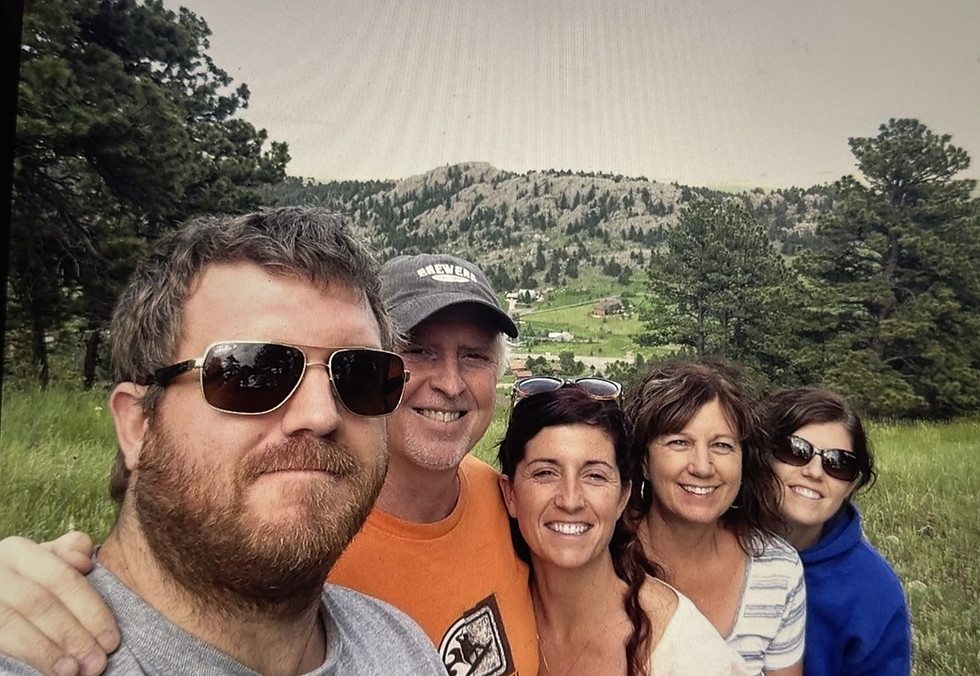
People who identify as Rocky Flats Downwinders share a connection to the communities surrounding the former nuclear weapons plant.
Some grew up nearby during the years of nuclear weapons production. Others worked, attended school, or raised families in the area. Some have moved away, while others continue to live in communities surrounding Rocky Flats today.
There is no single line on a map that tells someone's entire Rocky Flats story.
Living near Rocky Flats does not, by itself, establish that someone was exposed to a particular contaminant or that Rocky Flats caused an illness. But knowing where you were, when you were there, and what was happening at Rocky Flats during that time is an important starting point.
You don't need to have experienced a health problem to ask questions, learn about the history, or share your experience.
Your connection to Rocky Flats is worth understanding.