Finding Community: Should Rocky Flats Downwinders Bring Back Our Support Groups?
Rocky Flats Downwinders once brought community members together for support groups at the Old Town Arvada Library. Now we're asking whether it's time to reconnect—in person, online, or both.
Sometimes the most important thing is knowing you're not alone
For many people who grew up, lived, or worked near Rocky Flats, the questions don't end when they leave the area. Some have experienced serious illnesses. Others have watched family members or former neighbors face cancer diagnoses and other health challenges. Many are still trying to understand what their years near Rocky Flats might mean for their health.
These experiences can be difficult to discuss, particularly when questions about environmental exposure remain unresolved. Sometimes people aren't looking for another study or another government report. Sometimes they simply want to talk to someone who understands why they're asking questions in the first place. That's one reason Rocky Flats Downwinders established community support groups.
Remembering our support groups in Old Town Arvada
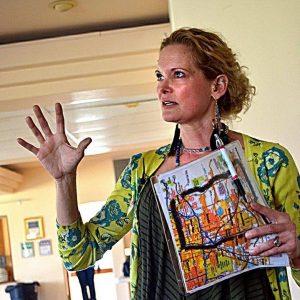
In the past, Rocky Flats Downwinders held support group meetings at the Old Town Arvada Library, bringing together people whose lives had been affected by illness, uncertainty, and concerns about Rocky Flats. The groups were led by nurse Shaunessy Kieng (McNeeely), who helped facilitate conversations among community members. These gatherings offered an opportunity for people to meet face-to-face, share their experiences, listen to others, and connect with people who understood the history and concerns surrounding Rocky Flats.
For individuals dealing with a diagnosis, caring for a family member, grieving a loss, or simply carrying unanswered questions, having a supportive community can be meaningful.
These support groups were part of RFD's original community-centered work. As we develop our new website and expand our efforts to reconnect with Downwinders, we believe it's worth asking whether there is a need to bring them back.
Should we restart in-person support groups?
Rocky Flats Downwinders is interested in hearing from people who attended our earlier meetings as well as those who might participate for the first time. Would regular in-person gatherings be helpful? Would you attend a monthly meeting in Arvada or another nearby community? Would you prefer a facilitated support group where participants can speak openly about their experiences, or occasional gatherings focused on particular subjects such as living with illness, caregiving, grief, and uncertainty? We are also interested in understanding whether participants would prefer small, private groups or larger community gatherings. Before restarting the program, we want to hear what people actually need.
What about Downwinders who no longer live in Colorado?
One of the challenges facing our community is that many former Rocky Flats-area residents have moved away. People who grew up in Arvada, Westminster, Broomfield, Golden, and surrounding communities may now live across the country. Their experiences and questions didn't necessarily disappear when they left Colorado. That's why we're also exploring online support groups. A virtual group could allow former residents, family members, caregivers, and others with shared experiences to connect regardless of where they live today. Online meetings could also make participation easier for people undergoing medical treatment, living with disabilities, or unable to travel. We envision a welcoming, respectful setting where people could share as much or as little as they feel comfortable sharing. Any future online support group would need clear expectations around privacy, respectful participation, and the role of the facilitator.
Support, connection, and understanding
Rocky Flats Downwinders has always believed that personal stories matter. The experiences of individuals and families help preserve the human history of Rocky Flats and explain why questions about long-term health remain important. Support groups would serve a different purpose from our scientific research and advocacy work.
They would be a place for people, not just data.
A place to talk about what they have experienced.
A place to listen to others who may have similar questions.
A place where people dealing with illness, caregiving, or loss can find understanding and connection. These gatherings would not replace medical care, professional counseling, or scientific research. They would not be intended to determine whether Rocky Flats caused a particular illness. Their purpose would be to help members of our community feel heard and supported.
Help us decide what comes next
Before making plans, we'd like to hear from you.
Did you attend one of RFD's original support groups at the Old Town Arvada Library? What did you find helpful?
Would you be interested in attending a support group today?
Would you prefer in-person meetings, online meetings, or both?
What subjects or experiences would you most like a group to address?
Would a professionally facilitated group make you more comfortable participating?
Would you prefer meetings focused on people living with an illness, caregivers, family members, or grief and loss?
How often would you want to meet?
We also welcome hearing from nurses, counselors, social workers, and other qualified professionals who might be interested in helping facilitate future groups. At this stage, we are gathering interest and ideas. No meeting schedule or new support group program has been established.
Your community is still here
Rocky Flats Downwinders began as a community group and grew into a nonprofit organization because people wanted to connect, share their experiences, and find answers.
As our organization continues to grow, we don't want to lose that original sense of community.
Our work includes preserving history, examining scientific research, advocating for better health studies, and seeking greater Truth & Transparency. But there is another important part of our mission: making sure the people behind these questions have opportunities to connect with one another. Maybe it's time to bring our support groups back. And perhaps it's time to make them accessible to Downwinders wherever they live. We'd like to hear what you think. Connect with us. Tell us whether you'd be interested in participating and what kind of support group would be most meaningful to you. Your input will help us decide what comes next.


