_edited.jpg)
Congress considers expanding radiation compensation to Rocky Flats Downwinders
Updated: 4 hours ago

For decades, people who lived near Rocky Flats have asked for something fundamental: recognition that communities beyond the plant’s workforce may also have been affected by its history of radioactive contamination. New federal legislation could represent an important step toward that recognition.
The Denver Post reports that proposed legislation in Congress would expand eligibility under the Radiation Exposure Compensation Act to include people affected by Rocky Flats and Colorado’s Cotter uranium mill near Cañon City. For Rocky Flats Downwinders, the significance goes beyond financial compensation.
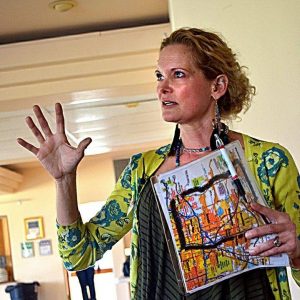
“There’s finally some acknowledgement that people have been impacted by living by Rocky Flats,” Rocky Flats Downwinders director Tiffany Hansen told the Denver Post.
Recognition after decades of uncertainty
Rocky Flats manufactured components for the nation’s nuclear weapons program during the Cold War. Its operations involved plutonium and other hazardous materials, and contamination was released beyond the plant boundary during its operating history.
For generations of people who grew up, attended school, worked or raised families in communities near Rocky Flats, questions about what those releases may have meant for their health have never fully disappeared.
Rocky Flats Downwinders has spent years collecting those experiences.
The Denver Post highlighted the story of Stephanie Dalton, who lived in Arvada from 1977 to 1991 and described cancer affecting multiple members of her family. Her experience is one of many personal accounts collected by RFD. These stories do not by themselves establish that Rocky Flats caused an individual illness, but they document an important part of the community's history and help explain why recognition, health research and medical support remain important.
As Dalton told the newspaper:
“Compensation can never undo the loss and pain we have endured, but recognition and support would bring a measure of long-overdue justice.”
What the legislation could change
According to the Denver Post, the proposal would make qualifying Coloradans affected by Rocky Flats and the Cotter uranium mill eligible for compensation and would extend the deadline for filing claims to 2042. Without congressional action, the current RECA application period is scheduled to close December 31, 2027.
For Rocky Flats Downwinders, the legislation represents something the community has sought for many years: federal recognition that the experiences of people who lived around nuclear weapons facilities deserve attention alongside those of workers and other already-recognized exposed populations.
It also brings renewed public attention to a larger question that will remain important regardless of what happens with this particular bill: How should people who lived near Rocky Flats be supported today?
RFD continues to advocate for improved health surveillance, access to appropriate screening and education, better historical exposure information, continued environmental monitoring, and meaningful recognition of the people who lived in communities surrounding Rocky Flats.
A moment of national attention
The Denver Post article arrives at an important moment for the Rocky Flats community. More than two decades after the federal cleanup was declared complete, the experiences of people who lived outside the plant boundary are becoming part of the national conversation over America's nuclear legacy. For the people who have carried these questions for decades—and for families who have lost loved ones—that recognition matters.
But recognition is also a beginning.
Rocky Flats Downwinders will continue working to preserve the community's history, share the experiences of people who lived here, improve access to reliable information, and advocate for the health resources and research this community has long requested.


Comments